
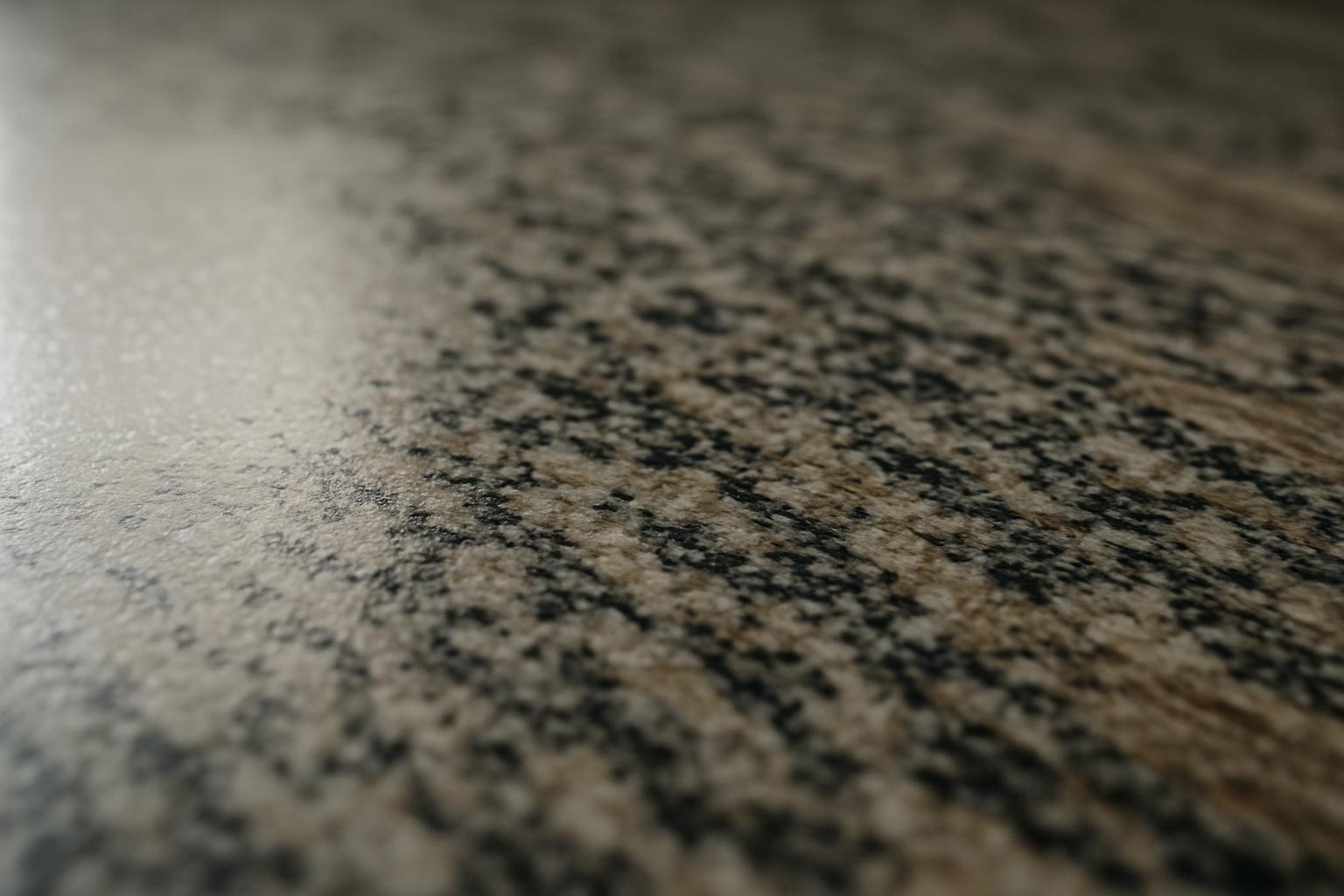
LVT vs Porcelain Tile vs Engineered Wood: Kitchen Flooring Compared
Choosing the right flooring for your kitchen isn’t as straightforward as it seems. The decision often comes down to three main contenders: LVT, porcelain tile, and engineered wood. Each has its pros and cons, and it’s worth understanding these before making a choice.
LVT: The Budget-Friendly Option
LVT, or Luxury Vinyl Tile, is often chosen for its affordability and practicality. It’s warm underfoot, which is a blessing on chilly mornings. It’s also waterproof, making it an ideal choice for those who frequently spill or have kids and pets running around. However, in terms of longevity, it doesn’t quite match up to porcelain or engineered wood. It can start to look worn after a decade or so, which might not suit those wanting a long-term investment.
Another advantage of LVT is its compatibility with underfloor heating. This feature can transform a kitchen, making it one of the cosiest rooms in the house. The ease of installation and the variety of designs also make it popular. From what I’ve seen in our kitchen showrooms in Coventry, many choose LVT for its versatility and simplicity, especially in homes where budget is a bigger concern.
Porcelain Tile: The Durable Workhorse
Porcelain tile stands out for its durability. It’s by far the hardest option, capable of withstanding the daily battering a kitchen floor might take. That toughness, however, comes at the cost of warmth. Porcelain is notoriously cold underfoot, which isn’t always pleasant, especially during the winter months.
The good news is that porcelain is also compatible with underfloor heating. Installing a heating system underneath can offset the natural chill of the tiles, offering a comfortable surface that doesn’t compromise on durability. For anyone thinking of longevity, porcelain is a solid choice. It’s also incredibly resistant to stains and water, making it an excellent option for busy households or bustling kitchen showrooms in Middlesbrough.
Engineered Wood: The Aesthetic Choice
If you’re after a warm, inviting look, engineered wood is a winner. It brings a natural warmth and elegance to any kitchen. Unlike LVT and porcelain, it’s not fully waterproof, which means it demands more maintenance and care to keep it looking its best. However, it’s worth knowing that it fares better than solid wood in terms of moisture resistance.
Engineered wood is also compatible with underfloor heating, allowing you to combine beauty with practicality. In my experience, those wanting a luxurious feel often gravitate towards engineered wood, especially in homes where aesthetics are just as important as functionality. It’s a popular choice in many kitchens in Edinburgh, where traditional meets modern.
When comparing LVT vs porcelain tile vs engineered wood kitchen flooring, it’s clear each has its unique benefits. The key is to balance what matters most to you: cost, durability, warmth, or aesthetics. For more insights, check out the advice on Homebuilding’s website, which offers further guidance on choosing the right flooring.
Is LVT suitable for a high-traffic kitchen?
Yes, LVT is suitable for high-traffic kitchens, though it may not last as long as porcelain tile.
Can porcelain tiles be used with underfloor heating?
Yes, porcelain tiles are compatible with underfloor heating, providing warmth to offset their natural coldness.
Is engineered wood flooring easy to maintain?
Engineered wood requires regular maintenance to protect against moisture but is easier than solid wood.
What is the warmest option for kitchen flooring?
Engineered wood offers the warmest look and feel, creating a cosy kitchen atmosphere.
If you’re trying to decide which flooring is best for you, visit our kitchen showrooms in Coventry to see the options in person.