
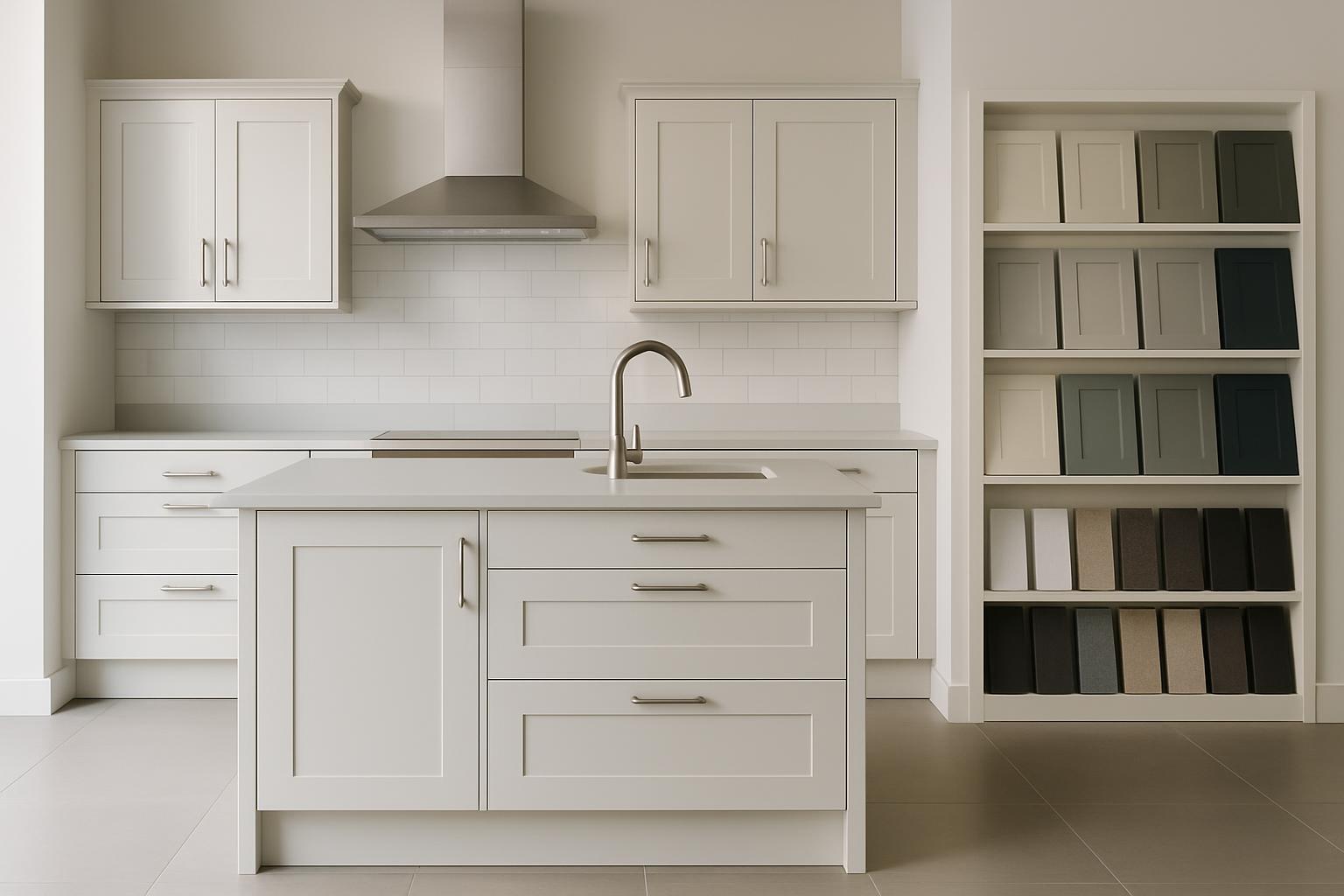
What Makes a £20,000 Kitchen Different From a £5,000 Kitchen?
The reality is that a £20,000 kitchen and a £5,000 kitchen can look quite similar on the surface. However, the differences lie in the details. It’s not complicated, but understanding these differences can save you a lot of frustration down the line.
Carcass construction is a prime area where you’ll spot the first big difference. A budget kitchen often uses thinner, less sturdy materials for the carcass, which is essentially the skeleton of your kitchen cabinets. More expensive kitchens use thicker, denser materials, which provide greater longevity and stability. From what I’ve seen, this is where many people cut corners, thinking it won’t matter. It does.
Then there’s door weight, an often overlooked aspect. Heavier doors feel more substantial and are generally a sign of quality. Budget kitchens might have lighter doors because they’re made from less expensive materials. In more costly kitchens, the doors have a heft that feels reassuring and solid.
Hinge quality is another critical difference. Inexpensive kitchens might use basic hinges, which can wear out quickly. Expensive kitchens employ high-quality, durable hinges that ensure the doors open smoothly and close quietly over time. This is worth knowing before you spend any money, because hinge failure can lead to annoying repairs.
Drawer mechanisms are what most people get wrong when comparing kitchens. Soft-close mechanisms are often standard in pricier kitchens, while cheaper alternatives might skip this feature altogether. A good drawer mechanism is a joy to use and a sign of thoughtful design. It’s the kind of detail you notice every day.
The finishing techniques also differ significantly. Spray finish is typical in a £20,000 kitchen. It provides a smoother, more durable surface than a foil wrap, which is found in more budget-friendly kitchens. The spray finish can withstand more wear and tear, keeping your kitchen looking new longer.
If you’re comparing two kitchens at different price points, these are the key elements to examine. It’s not just about aesthetics; it’s about how the kitchen feels in daily use. You can often see these differences first-hand in kitchen showrooms in Amersham or kitchen showrooms in Market Harborough. Real-life comparisons make these distinctions clearer.
Another factor is the longevity and warranty support from manufacturers. More expensive kitchens often come with extended warranties covering a wider range of potential issues. This extra security is worth paying for, as it indicates the manufacturer’s confidence in their product’s durability. You can find more about standards and assurances from organisations like kbsa.org.uk.
If you’re in the process of choosing a new kitchen, take a close look at these elements. The differences might seem subtle, but over time, they add up to a significantly better experience. You can explore these facets further in various kitchen showrooms in Leicester.
What are the main differences between a £20,000 kitchen and a £5,000 kitchen?
The main differences are in the quality of materials and components. This includes carcass construction, door weight, hinge quality, drawer mechanisms, and finishing techniques.
Why is carcass construction important in kitchens?
Carcass construction impacts the kitchen’s longevity and stability. Thicker, denser materials in more expensive kitchens provide greater durability.
How does finishing technique affect kitchen quality?
A spray finish offers a smoother, more durable surface than a foil wrap, commonly found in budget kitchens. It withstands more wear and tear.
What should I look for when comparing kitchen showrooms?
Pay attention to the materials used, the weight and feel of doors, the quality of hinges and drawer mechanisms, and the type of finish. Try these comparisons in person at kitchen showrooms.
For a closer look at these differences and to see various kitchen styles, visit our kitchen showrooms in Amersham. You’ll be able to experience quality first-hand and make a more informed decision.