
How Much Does a Kitchen Extension Cost in the UK?
The reality is that a kitchen extension can be a significant investment. In the UK, the cost for a single storey rear kitchen extension in 2026 ranges from £30,000 to £80,000. The final price depends on size, specifications, and various additional factors.
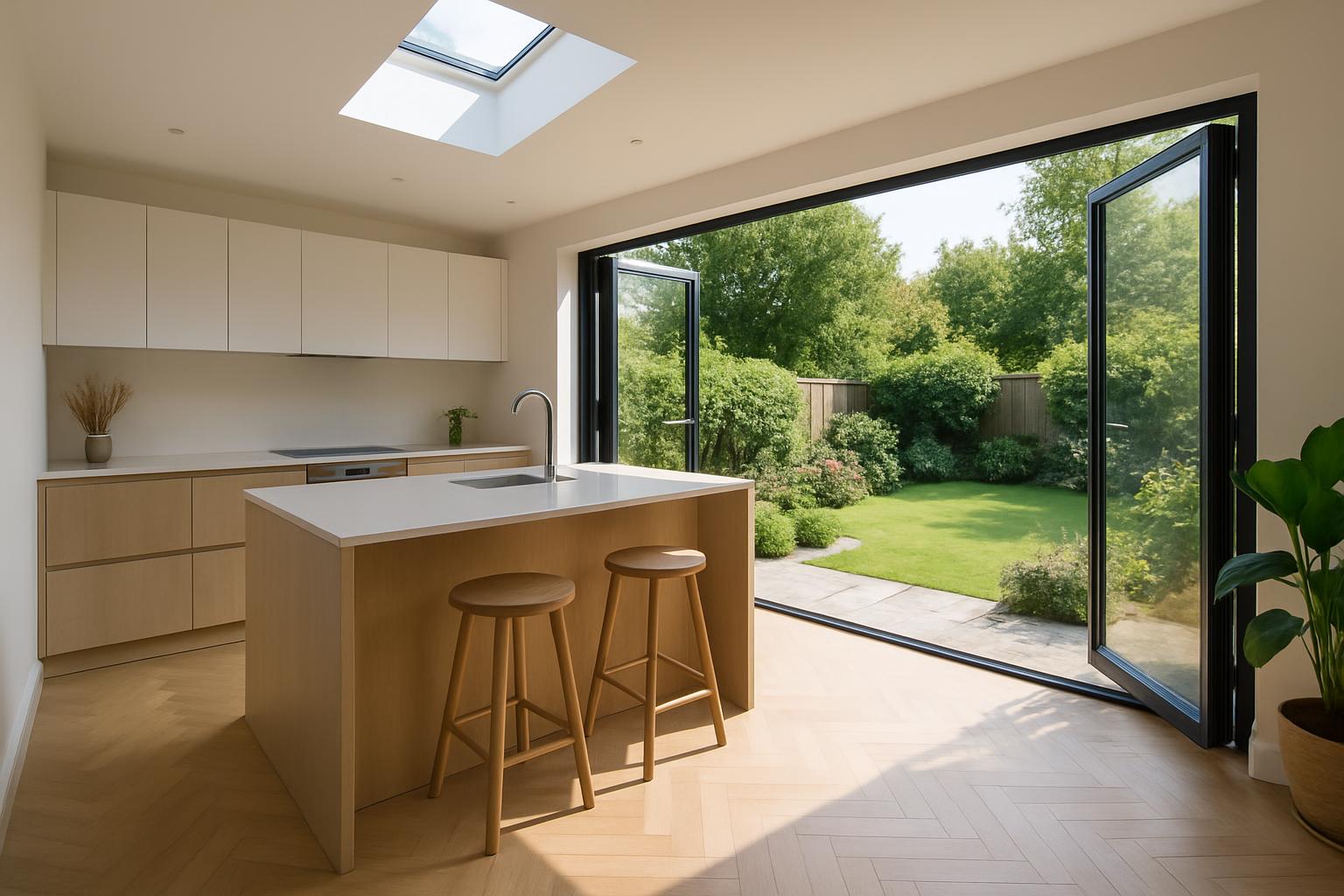
One major cost factor is glazing. Large windows or skylights let in plenty of light, but they aren’t cheap. If you opt for bi-fold doors, expect to pay a premium for that open-plan feel. Structural work isn’t something you can cut corners on either. Removing walls or adding steel supports adds to the price but is crucial for safety and stability.
Underfloor heating is another feature that can quickly inflate your budget. It’s a lovely addition in the colder months, yet it’s not exactly a budget-friendly option. For those looking at kitchens in Cheltenham, you might consider the climate before deciding.
If you’re watching the pennies, think about what can be trimmed without sacrificing quality. High-end finishes and top-of-the-range appliances might look fantastic, but they come with a hefty price tag. From what I’ve seen, many people overestimate the need for the most expensive options when mid-range will do the job just as well.
There are a few ways to manage your kitchen extension cost in the UK in 2026. Keep the size of the extension modest. Bigger isn’t always better when it comes to kitchens. Consider standard materials and avoid custom fittings where possible. It’s not complicated; these choices can help keep your budget in check.
Consulting with professionals who know the ins and outs of kitchen design is invaluable. A visit to our kitchen showrooms in Huntingdon can provide insights into cost-effective options and quality materials.
Planning a kitchen extension isn’t just about picking tiles and paint. It’s about making informed choices to match your budget with your vision. Head over to Homebuilding & Renovating for more detailed advice on planning your project.
How to Save on Your Kitchen Extension
The honest answer is that some aspects of a kitchen extension are non-negotiable. However, with careful planning and realistic expectations, there are areas where you can save. First, consider the scope of your project. A smaller extension reduces not only the cost of building materials but also labour. In my experience, many people find a modest extension more than adequate for their needs.
Another tip is to be flexible with your design. While bespoke cabinetry might seem appealing, standard units can be just as effective. For those looking at kitchens in Manchester, you’ll find a wide range of affordable yet stylish options.
Consider sourcing materials yourself. Often, contractors mark up the price of materials. By purchasing directly from suppliers, you can avoid this extra charge. Keep an eye out for deals and discounts, especially if you’re not in a rush to complete the project.
Getting the Best Value for Your Money
Most people get this wrong: thinking that more expensive always means better. The reality is that you can achieve a stunning result without breaking the bank. For example, using a mix of high-end and standard materials can create a balanced look without an excessive cost. Countertops are a good place to apply this strategy. Pairing a premium countertop with more affordable cabinetry often works well.
Hiring the right contractor can also make a big difference. Look for someone with a solid reputation and a transparent pricing structure. Personal recommendations are valuable, as are reviews from previous clients. If you’re in the area, our kitchen units in Manchester page offers some local insights.
Finally, don’t overlook the value of expert advice. Professionals can offer creative solutions to keep costs down without sacrificing functionality or style. Our team is always ready to assist with practical and budget-friendly design solutions.
What is the average kitchen extension cost in the UK in 2026?
In 2026, a single storey rear kitchen extension in the UK typically costs between £30,000 and £80,000.
What factors most affect the cost of a kitchen extension?
Glazing, bi-fold doors, structural work, and underfloor heating are the main factors that increase costs.
Can I reduce kitchen extension costs without compromising quality?
Yes, by reducing the size of the extension, opting for standard materials, and sourcing materials yourself.
Is underfloor heating worth the cost?
Underfloor heating is a luxury that adds comfort but isn’t essential. Consider your budget and climate.
If you’re planning a kitchen extension, visit our kitchen showrooms in Huntingdon for expert advice and cost-effective solutions.