
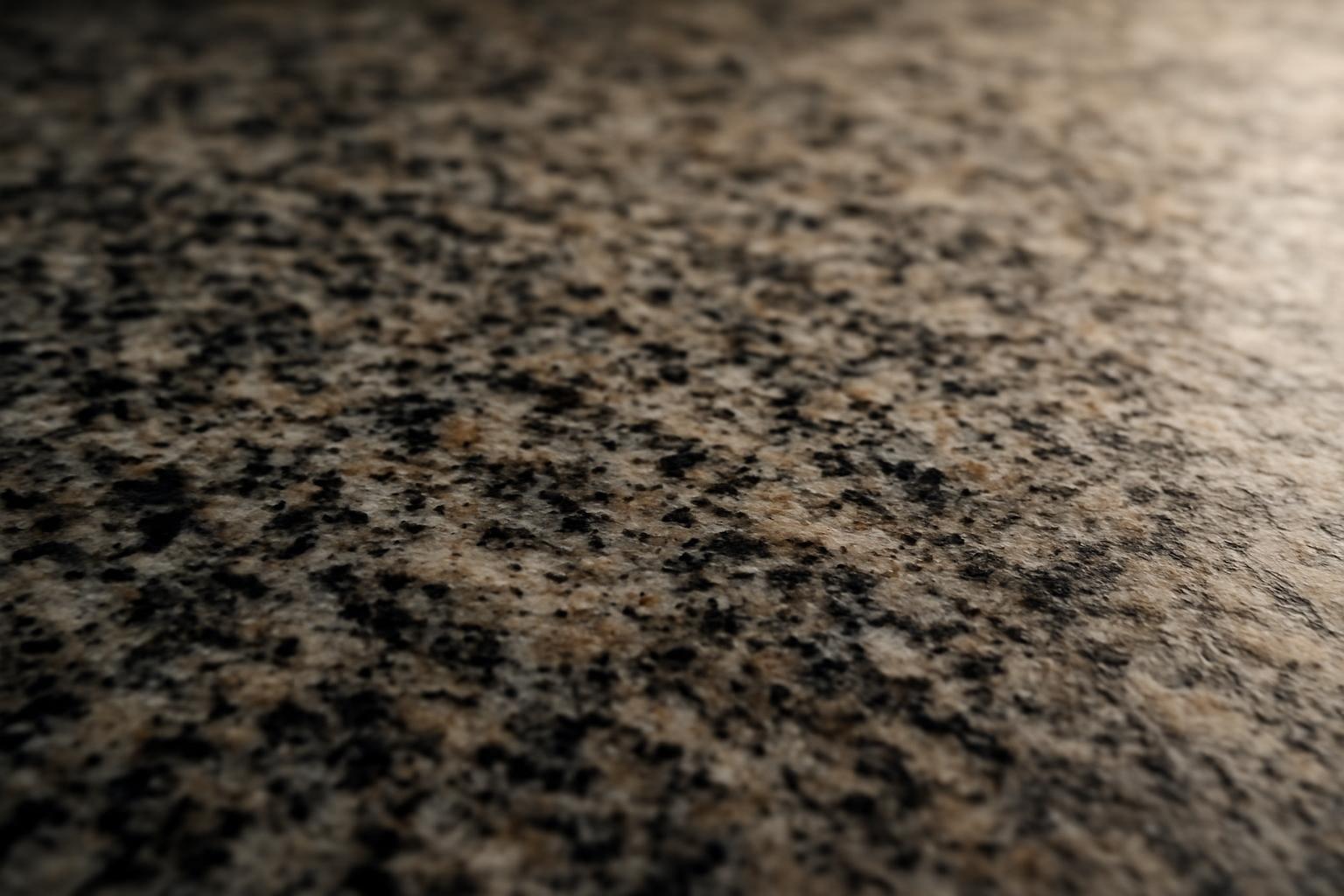
Is a Porcelain Worktop Worth Considering?
A porcelain worktop in a kitchen is often considered, but is it really worth it in the UK? Most people assume porcelain is all about looks, but it’s more than that. It’s UV stable, meaning the colour won’t fade over time, even if your kitchen is flooded with natural light. That’s worth knowing when you’re spending a fair amount of money.
Porcelain worktops are also heat resistant. You can place hot pans directly on the surface without worrying about damage. This makes it practical for busy kitchens where timing isn’t always perfect. And because they’re lighter than stone, installation can be less hassle, which is a bonus.
Large format slabs are another advantage of porcelain. Fewer joins mean a cleaner look, but there’s a downside. Porcelain edges can chip more easily than some other materials. In my experience, this isn’t a deal-breaker, but it’s something to consider if your kitchen sees a lot of traffic.
Price-wise, porcelain is similar to Dekton. You’re not necessarily saving anything, but you’re not overpaying either. Dekton’s a solid choice as well, but porcelain has a few unique benefits. Some might argue that quartz is easier to maintain, as it’s less prone to chipping. However, quartz isn’t as heat resistant, so it depends on what you value more in a worktop.
From what I’ve seen in kitchen showrooms across the UK, like those in kitchen showrooms in Wilmslow, the decision often comes down to aesthetics and personal preference. Porcelain offers a sleek and modern look, which many find appealing.
Comparing it with quartz, porcelain might be a bit more high maintenance in terms of edge protection. But if you are cautious and the kitchen isn’t a playground for kids, it shouldn’t be an issue. Real-world use shows that both quartz and porcelain hold up well, but it depends on how much abuse they’re subjected to.
For those pondering a porcelain worktop kitchen in the UK, visiting kitchen showrooms in London or checking out resources like Which? can provide further insights. It helps to see these materials in person to make an informed decision.
Real-World Use: Porcelain vs Quartz
In the real world, the choice between porcelain and quartz often boils down to priorities. Porcelain worktops excel in areas where UV stability and heat resistance are critical. If your kitchen gets a lot of sunlight or you frequently cook with high temperatures, porcelain’s resilience is a strong selling point.
Quartz, on the other hand, might be better if you’re concerned about potential chipping, especially along the edges. Quartz is non-porous, much like porcelain, so both are good at resisting stains and bacteria. However, quartz isn’t as forgiving with hot pots and pans.
Most people get this wrong when they assume one is vastly superior to the other. The reality is, both have their strengths and weaknesses, and the best choice depends on your specific kitchen habits and aesthetic preferences.
Aesthetics and Maintenance
Porcelain offers a modern, minimalistic aesthetic. It’s perfect for those who want a seamless look with large slabs. From kitchen showrooms in Hereford, I’ve noticed that porcelain is often chosen for its clean lines and contemporary finish.
Maintenance-wise, porcelain is straightforward. Wipe it down with a damp cloth to keep it looking its best. But remember, while it’s highly durable, treating it with care will extend its lifespan. This is true for most kitchen surfaces, but especially for materials like porcelain that can chip at the edges.
In summary, if you’re considering a porcelain worktop kitchen in the UK, it’s worth it if the benefits align with your needs. It’s not just about the initial look; it’s how it performs over time that counts.
Is a porcelain worktop more expensive than quartz?
They are generally priced similarly. Costs can vary based on specific design and installation factors.
Does porcelain stain easily?
No, porcelain is non-porous, so it resists stains quite well compared to other materials.
Can porcelain worktops chip?
Yes, especially on the edges. This is a consideration if your kitchen is heavily used.
Is porcelain worth it for a kitchen worktop?
If UV stability and heat resistance are priorities, then yes, porcelain is worth considering.
For more insights and to see a range of worktop options, visit our kitchen showrooms in Wilmslow.