
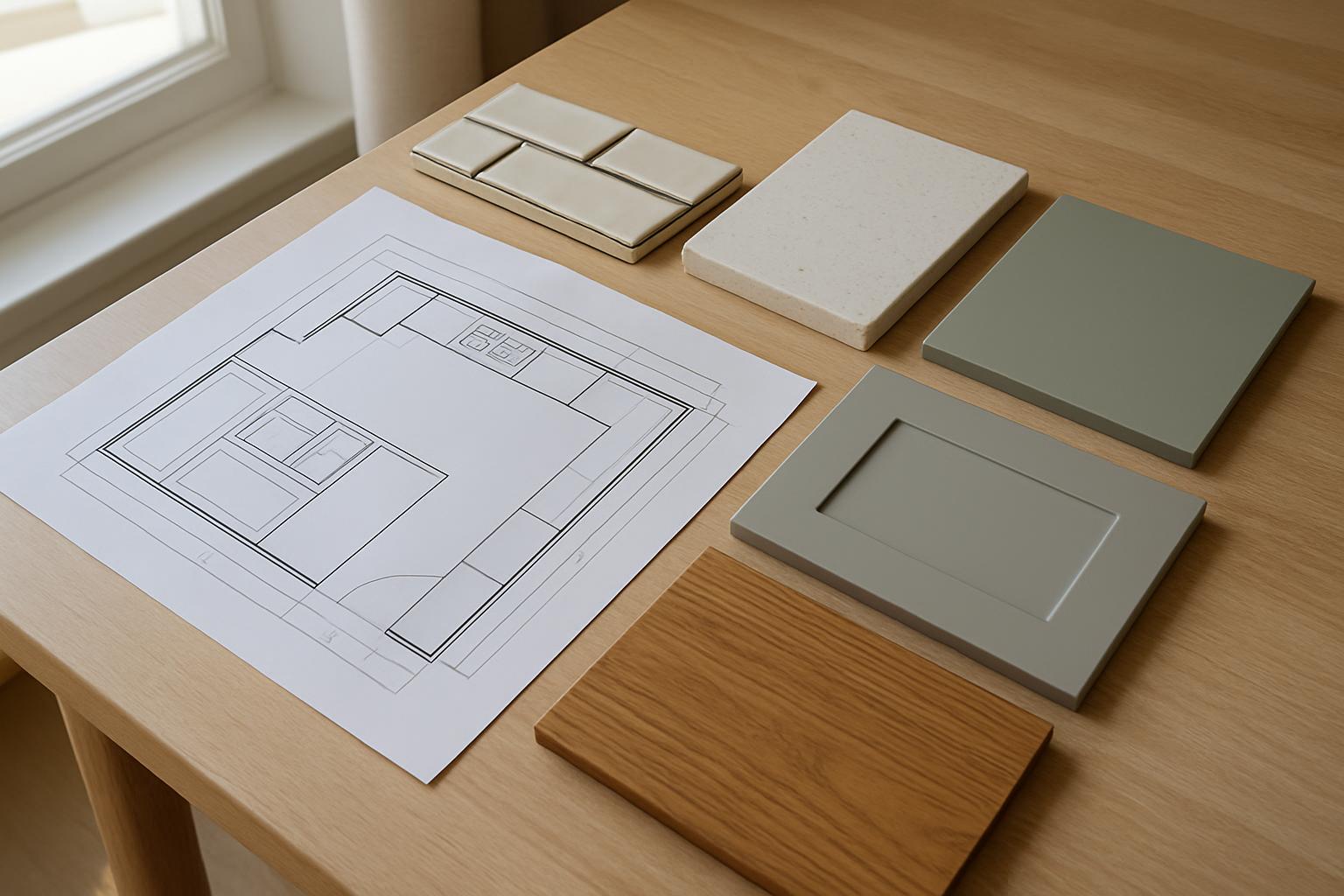
What Order Should a Kitchen Be Fitted In?
Most people start a kitchen renovation without a clear plan. It’s not as simple as ripping out the old and bunging in the new. When you don’t know what order to fit a kitchen, things can go pear-shaped quickly. A proper sequence saves time, money, and many headaches. Let’s break it down step by step.
Strip Out and First Fix
First off, get rid of the old. This means stripping out the existing kitchen. But be careful; it’s not a sledgehammer free-for-all. You need to remove cabinets, worktops, and appliances in a controlled manner. Avoid damaging any existing plumbing or electrics unless they are being replaced.
Once stripped, it’s time for first fix electrics and plumbing. This is when you install cables, pipes, and any hidden elements that won’t be accessible later. Get a qualified tradesperson for this. It’s not a DIY job unless you fancy a bit of electric shock therapy. It’s also an excellent time to plan your lighting and switch positions.
Carcasses and Worktops
After your first fix, it’s all about carcasses. These are the shells of your cabinets. They get installed first, providing the framework for everything else. Make sure they are level and securely fastened. Use a spirit level — don’t trust your eyes.
Once carcasses are in, you can measure for worktops. But don’t rush this step. It’s crucial the measurements are spot-on. Mistakes here will haunt you. Worktops usually come a week or two later, and they’re installed once the carcasses are perfect. If you’re in need of inspiration, check out our kitchen showrooms in Doncaster.
Second Fix and Appliances
Next, it’s time for second fix electrics and plumbing. This is when you connect everything up. Sockets, taps, and any integrated appliances are installed. Always remember: appliances go in after the worktops, not before. It’s tempting to test shiny new gadgets, but hold your horses.
Don’t forget about tiling. Some prefer to tile before the worktops, others after. It partly depends on your design. Just ensure any wall tiles align with the worktops and fit the overall layout. For more design tips, you might visit our kitchen showrooms in Redditch.
Decoration
Finally, the finishing touches. This is where your kitchen comes alive. Paint the walls, hang the curtains, and add any decorative bits. But don’t jump the gun. Make sure everything else is in place first. Painting over new sockets or smudging around fresh tiles isn’t a good look.
Once decoration is done, give everything a good clean. It’s astonishing how much dust a renovation creates. This is the time to step back and admire your hard work. If you need more ideas or advice, our kitchen showrooms in Bedford offer plenty of examples and expert guidance.
How long does a kitchen fit usually take?
A straightforward kitchen fit usually takes 2 to 3 weeks. It can be longer if unforeseen issues arise.
Can I install a kitchen myself?
You can, but it’s not advisable. Some tasks require certified professionals, like electrics and gas fittings.
What should I do if my kitchen isn’t ready on time?
Communicate with your contractor. They should have a plan for delays. It’s part of their job to manage expectations.
How much does it cost to fit a kitchen?
Costs vary widely, but you can expect to pay between £5,000 and £15,000, depending on size and quality.
If you’re thinking about a new kitchen, visit our kitchen showrooms in Doncaster to see our range and speak with our experts.