
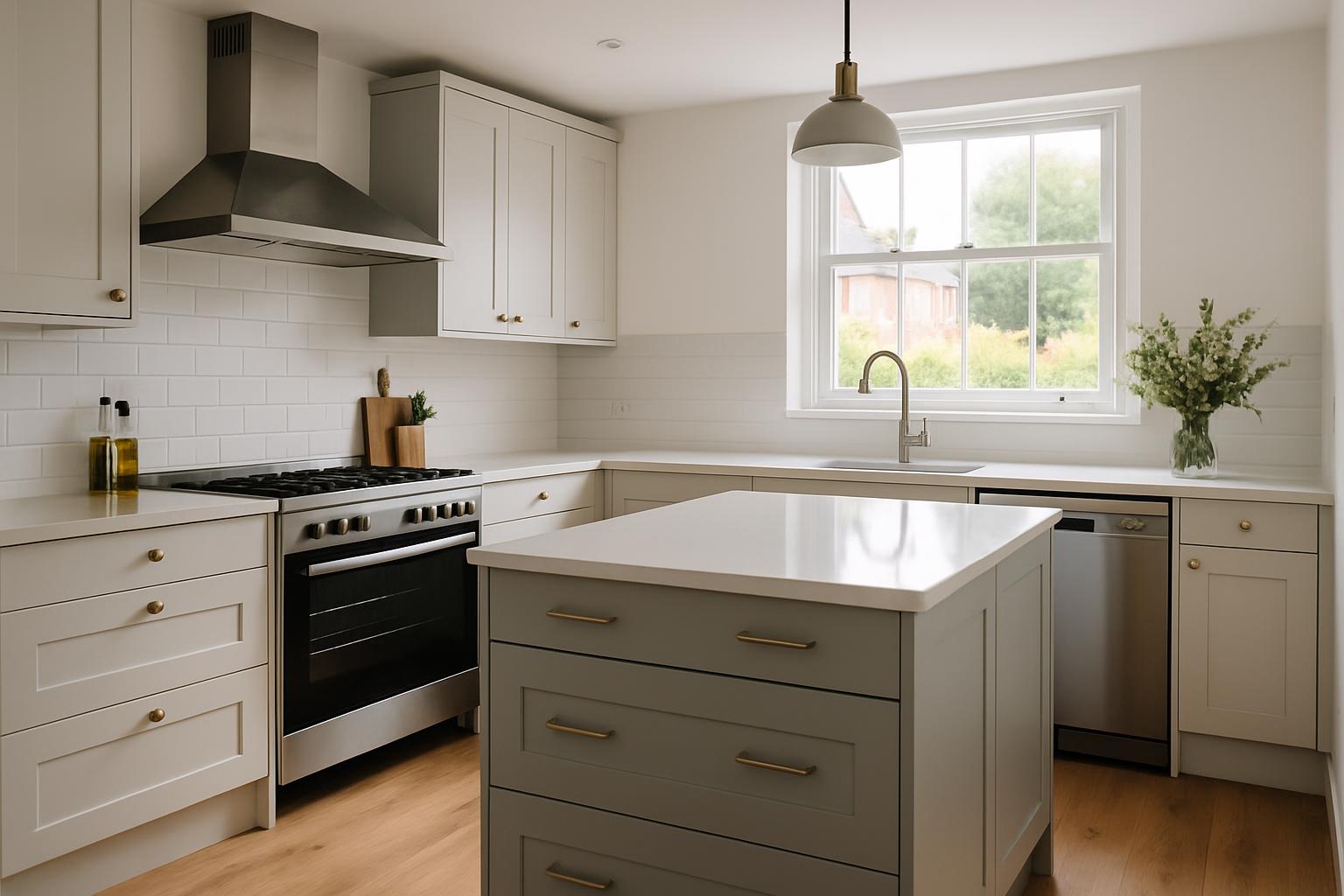
Hidden Costs of Getting a New Kitchen
Embarking on the journey to remodel or install a new kitchen can be an exciting yet daunting experience. While the allure of a modern, functional kitchen is compelling, many homeowners find themselves unprepared for the hidden costs of a new kitchen that arise during the process. Knowing these potential expenses upfront can help you budget more effectively and avoid unwelcome surprises.
One of the first hidden costs when planning a new kitchen is delivery. Depending on the size and type of kitchen you’re purchasing, delivery fees can vary, often costing between £50 to £200. This fee ensures that all your kitchen components arrive safely and on time, but it’s an expense that can catch you off guard if not anticipated. Moreover, if you live in a remote area or in a location with difficult access, these costs could increase due to the complexity of delivery logistics.
Next, homeowners must consider the plumbing costs involved in installing a new kitchen. Plumbing is vital to any kitchen, and often, moving appliances or sinks to new locations requires extensive work. The average cost for plumbing adjustments typically ranges from £300 to £800, depending on the complexity of the work involved. Engaging a professional plumber is crucial to ensure that all installations are safe and comply with local regulations. For those seeking inspiration and guidance, visiting kitchen showrooms in Leicester can provide valuable insights into the latest designs and layouts.
Electrical work is another area where hidden costs can quickly add up. Updating the electrics in a new kitchen is not only about installing new lighting fixtures but also involves ensuring that the wiring can handle new appliances, such as ovens, microwaves, and dishwashers. The costs associated with electrical work can vary significantly, often ranging from £300 to £1,500. Hiring a certified electrician is essential to ensure that the work is done safely and meets all necessary standards.
When it comes to tiling, many homeowners underestimate the costs involved. Whether you choose to tile the floor, backsplash, or both, the price can vary depending on the type of tiles chosen and the area to be covered. On average, tiling can cost anywhere from £25 to £100 per square metre, with labour costs adding to the overall expense. The choice of tiles can drastically impact the final cost, so it’s important to select a style that meets both your aesthetic preferences and budget.
Flooring is another significant consideration when budgeting for a new kitchen. The cost of kitchen flooring depends on the material chosen, with options ranging from laminate to hardwood, each with its own price range. For instance, laminate flooring typically costs between £8 to £12 per square metre, while hardwood can be significantly more expensive, ranging from £30 to £100 per square metre. Additionally, you must factor in the cost of underlay and installation, which can add a substantial amount to the total cost.
Waste removal is often an overlooked aspect of kitchen refurbishment, yet it can be a considerable expense. Disposing of old cabinets, appliances, and any other debris can cost between £100 and £300, depending on the amount of waste and the method of disposal. Many homeowners opt to hire a skip, which can be more economical for larger projects, but it’s essential to consider local regulations and permits that might be required.
Decorating your new kitchen is the final touch that brings your vision to life. However, this too can add unexpected costs. Painting, wallpapering, or adding decorative finishes can range from £200 to £1,000, depending on the size of the kitchen and the materials chosen. The quality of paint or wallpaper and the intricacy of the design will impact the final cost, so it’s wise to plan accordingly.
In addition to the specific areas mentioned above, it’s essential to account for fitter extras. These are costs that arise from additional work required by the kitchen fitter, such as unexpected adjustments or corrections needed to accommodate existing structures or unforeseen complications. Fitter extras can range from £100 to several hundred pounds, depending on the extent of the work required. When planning your kitchen, it’s beneficial to have a contingency fund of around 10-15% of the total budget to cover these potential extras.
It’s important for homeowners to conduct thorough research and consult with reputable professionals to ensure all potential expenses are considered. Visiting kitchens in Southampton can provide a wealth of ideas and expert advice, helping you to avoid or mitigate these hidden costs. Additionally, using trusted sources such as Which? can offer guidance and reviews to assist you in making informed decisions.
For those in the West Midlands, exploring kitchens in Birmingham may offer access to local expertise and options that can fit your budgetary requirements. Remember that careful planning and a realistic approach to budgeting will ensure that your new kitchen project is a success without any unwelcome financial surprises.
What are the common hidden costs of a new kitchen?
Common hidden costs of a new kitchen include delivery fees, plumbing and electrical work, tiling, flooring, waste removal, decorating, and additional fitter extras. These costs can accumulate quickly, so it’s important to plan your budget accordingly.
How much should I budget for unexpected kitchen expenses?
It is advisable to set aside a contingency fund of about 10-15% of your total kitchen budget to cover unexpected expenses such as fitter extras or unforeseen complications during the renovation process.
Are delivery fees always included in the kitchen purchase price?
Delivery fees are not always included in the kitchen purchase price and can vary depending on the location and logistics involved. It’s important to confirm these costs with your supplier to avoid unexpected charges.
Is it necessary to hire professionals for plumbing and electrical work?
Yes, it is necessary to hire qualified professionals for plumbing and electrical work to ensure that all installations are safe, compliant with regulations, and meet the required standards.
If you’re ready to explore your options and find the perfect kitchen design, visit our kitchens in Birmingham page to get started on creating your dream kitchen today.